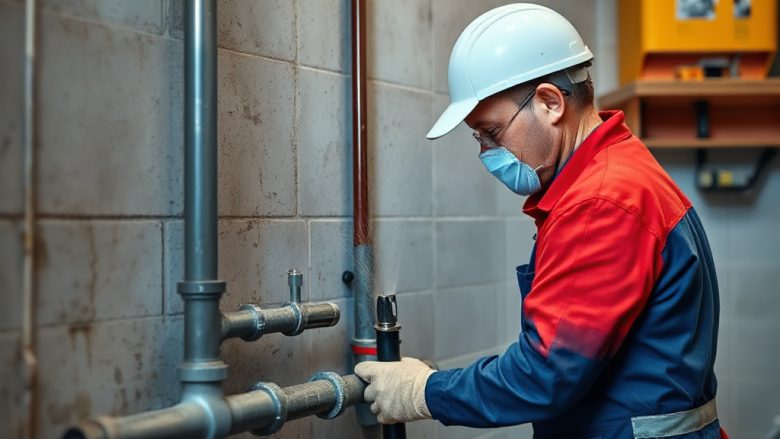
When the Usual Method Fails: A Plumber’s Routine for Desentupidora Bela Vista vs. DIY Fixes
By the end of this article, you will know exactly what to do when the plunger, the drain snake, and the drugstore chemicals have all failed in a Bela Vista apartment or commercial kitchen. You will have a clear routine: how to diagnose the blockage, when to stop improvising, and how a professional team from a desentupidora Bela Vista actually clears a line that has defeated every home remedy. I write this as a practitioner who has spent years opening drains in this dense, vertical neighborhood of São Paulo, where old pipes and shared stacks create problems that a single bottle of caustic soda cannot solve.
Most people call a plumber too late. They have already poured three different chemicals down the drain, pushed the clog deeper with a manual auger, and flooded the neighbor’s ceiling. The routine below is designed to prevent that sequence. It pairs the most common mistakes I see with the correction that actually works, and it explains why the professional method differs from the DIY approach.
Why Bela Vista Blockages Defeat DIY Methods So Often
Bela Vista is an old, high-density district. Many buildings date from the 1960s through the 1980s, and their drainage systems were designed for a different volume and type of waste. When a kitchen line or a bathroom stack clogs here, it is rarely a simple hair ball at the drain cover. It is usually a combination of grease, soap scum, scale, and sometimes roots or collapsed pipe sections deeper in the line.
The first mistake is assuming the clog is where the water backs up. In practice, the blockage is often several meters downstream, in a horizontal run or at a junction. A plunger only moves water a short distance; it cannot reach a grease mat that has hardened along the pipe wall. The visible drain is rarely the location of the real obstruction.
The second mistake is using chemical drain cleaners repeatedly. In old pipes, caustic products generate heat and can soften PVC joints or accelerate corrosion in cast iron. They also turn grease into a soap-like sludge that coats the pipe and makes mechanical cleaning harder later. When the chemical fails, the homeowner often pours in another brand, compounding the problem.
The third mistake is forcing a manual snake. A hand auger can scratch the inside of the pipe, push a soft clog farther down, or break inside the line. In a building with shared stacks, a broken cable can trap debris and cause a full blockage that affects multiple apartments. That is the point where a desentupidora Bela Vista São Paulo SP team with rotary equipment and cameras becomes necessary.
Mistake and Correction: The Plunger That Makes It Worse
Mistake: using a plunger on a sink or floor drain that is already full of chemical residue. The plunger creates pressure that can force wastewater into adjacent fixtures or push the clog past a vent, spreading the problem.
Correction: before any mechanical action, remove standing water with a bucket or wet vacuum if possible. Then check whether other fixtures in the same bathroom or kitchen are also slow. If two or more drains are affected, the blockage is in the branch line, not at the fixture, and plunging the wrong drain will not help.
Mistake and Correction: The Store-Bought Snake That Breaks
Mistake: feeding a thin manual snake into a floor drain and cranking hard when it hits resistance. The cable can kink, and the tip can detach inside the pipe.
Correction: stop at the first hard resistance. A professional technician uses a powered auger with a flexible, replaceable head and a guide tube, so the cable follows the pipe rather than digging into the wall. If the line has multiple bends, a camera inspection confirms where the cable is going before any force is applied.
My Routine When a Call Comes In for Bela Vista
When a resident or building manager calls, I follow the same sequence every time. The goal is to identify the type of blockage before touching the pipe, because a grease clog, a root intrusion, and a collapsed section require different tools. This routine is what separates a professional service from a hopeful DIY attempt.
- Interview the caller. Which fixtures are affected? When did it start? Was anything chemical poured down the drain? Has this happened before in the same spot? The answers usually narrow the cause to one of three categories: grease and soap, solid objects, or structural damage.
- Inspect the accessible points. I check the cleanout, the floor drain, and the inspection box if the building has one. Water level and color tell me whether the blockage is in the building’s internal line or in the public connection.
- Run a camera if the cause is unclear. A small camera on a reel shows grease buildup, roots, offset joints, or a broken pipe. This step prevents unnecessary excavation and confirms the right cleaning method.
- Choose the tool. For soft organic clogs, a powered auger or hydrojetting works. For grease, hot water and a degreasing agent followed by hydrojetting. For roots, a cutting head on a rotating cable, then a camera check to confirm the line is clear.
- Test and document. I run water through every affected fixture, check for leaks at joints, and photograph the before-and-after camera view when the client wants a record for the building manager.
This is also the routine used by a desentupidora em Bela Vista São Paulo SP that handles both residential and commercial calls. The difference from a handyman is not just the equipment; it is the decision-making sequence that avoids damaging old pipes.
What Hydrojetting Does That a Snake Cannot
A snake opens a hole through the clog. Hydrojetting cleans the entire pipe wall. A high-pressure water jet, typically between 1,500 and 4,000 psi depending on the pipe material, scours grease, scale, and sediment from the circumference of the line. In Bela Vista’s older buildings, this is often the only way to restore full flow in a kitchen line that has been narrowing for years.
The correction here is important: hydrojetting is not a universal first step. On fragile pipes or lines with known cracks, the pressure can cause damage. That is why the camera inspection comes first. A professional will adjust pressure and nozzle type to the pipe’s condition rather than blasting every line the same way.
When the Problem Is the Fossa, Not the Drain
Some commercial properties and older residences in the area still rely on a septic tank or a grease trap. If the drains are slow but the line is clear, the tank may be full or the outlet may be clogged. Pumping and cleaning the tank is a separate service from drain clearing, and doing one without the other leaves the problem in place. A routine call should always include a question about the tank’s last cleaning date.
Comparing DIY Fixes and Professional Service: What Actually Changes
The table below summarizes the practical differences I see on site. It is not about cost alone; it is about what each method can and cannot reach.
| Aspect | DIY approach | Professional routine |
|---|---|---|
| Diagnosis | Guess based on where water backs up | Camera inspection and fixture testing |
| Reach | A few meters at most | Full branch line and main connection |
| Pipe safety | Risk of chemical damage or broken cable | Pressure and tool matched to pipe condition |
| Recurrence | High, because the wall is not cleaned | Lower, because grease and scale are removed |
| Documentation | None | Photos and camera record for the building |
The most common correction I make is explaining that a cleared drain is not the same as a clean pipe. A DIY fix often restores flow for a few weeks, then the same clog returns because the grease layer remains. Recurring clogs are a symptom of an unclean pipe wall, not bad luck.
Preventing the Next Call: What I Tell Every Client
After the line is clear, the conversation turns to prevention. In Bela Vista, the biggest controllable factor is grease. Kitchens that pour oil down the drain will clog again, no matter how well the line is cleaned. I recommend collecting used oil in a container and disposing of it separately, and running hot water for a minute after washing greasy dishes.
The second factor is the building’s shared stack. In vertical buildings, one apartment’s clog can affect the units below. A building manager who schedules preventive hydrojetting every twelve to eighteen months spends less than one who reacts to emergency backups. The same logic applies to grease traps in restaurants: regular pumping is cheaper than a shutdown during service hours.
The third factor is awareness of what should never go down the drain: wipes labeled flushable, paper towels, coffee grounds, rice, and hair. These items do not break down in the pipe, and they catch on existing grease, creating a new blockage faster than most people expect. A drain is a pipe, not a trash can.
A Short Summary of the Routine
When the usual method fails, stop adding chemicals and stop forcing the snake. Identify which fixtures are affected, check the cleanout, and use a camera if the cause is unclear. Match the tool to the clog: auger for soft blockages, hydrojetting for grease and scale, cutting head for roots, and tank cleaning when the septic system is involved. Then prevent recurrence by managing grease and scheduling maintenance.
Frequently Asked Questions About Drain Clearing in Bela Vista
How do I know if the clog is in my apartment or in the building’s main line?
Test several fixtures. If only one sink or toilet is slow, the clog is likely in that branch. If multiple drains across different rooms are slow, or if water backs up in a floor drain when you use a fixture elsewhere, the blockage is in the building’s main line. In that case, contact the building manager before calling a service, because the repair may be a shared responsibility.
Can I use chemical drain cleaner after a professional cleaning?
You can, but you should not need to. After a proper hydrojetting or auger service, the line is clear and the pipe wall is clean. Using caustic products regularly is more likely to damage old pipes than to prevent clogs. If a drain slows again soon after cleaning, the cause is usually a structural issue or a recurring grease source, and a camera inspection is more useful than another bottle of chemicals.
What information should I have ready when I call a desentupidora?
Have the address, the type of property, which fixtures are affected, whether you have already used chemicals or a manual snake, and whether the building has a cleanout or inspection box. If you know when the septic tank was last cleaned, mention it. This information lets the technician bring the right equipment on the first visit and avoid a second trip.
Is emergency service available at night or on weekends?
Many professional services in São Paulo offer 24-hour emergency attendance, which matters for commercial kitchens and buildings where a backup cannot wait until morning. When you call, confirm the response time and whether the technician carries a camera and hydrojetting equipment, since a night visit without the right tools often results in a temporary fix and a second call.