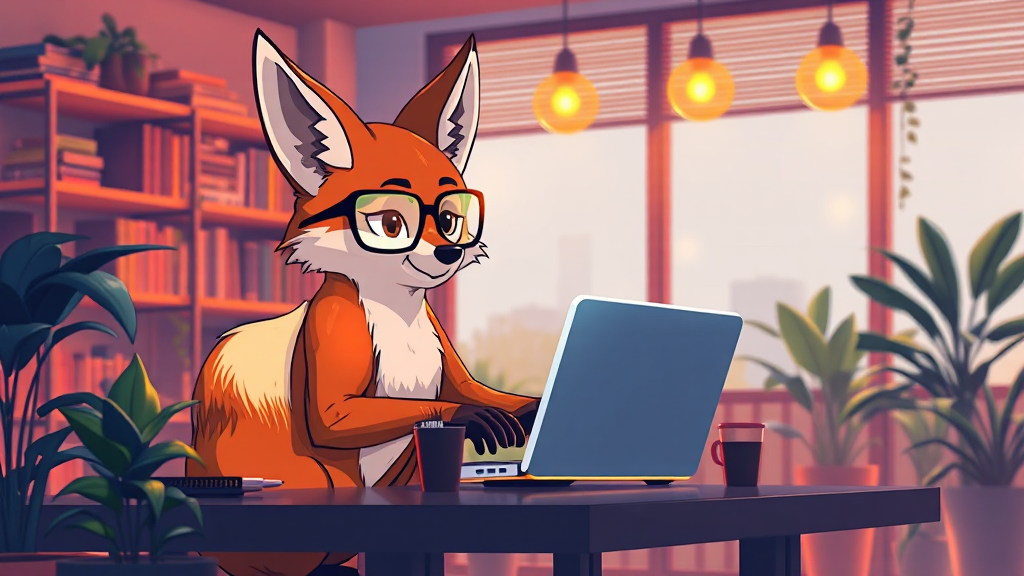
Furry AI Chat: How Anthropomorphic Characters Are Reshaping Digital Conversation
Walk into any online creative community today and you will notice something striking: people are not just talking about anthropomorphic characters, they are talking with them. The rise of furry ai chat represents one of the most interesting intersections of fan culture, machine learning, and interactive storytelling to emerge in the last few years. What began as a niche interest among artists and writers has quietly grown into a full-blown category of conversational AI, with dedicated platforms, custom character creation tools, and communities that treat these digital companions as genuine creative partners.
This article explores what furry AI chat actually is, why it has found such a passionate audience, how the underlying technology works, and what anyone curious about the trend should know before diving in.
What Exactly Is Furry AI Chat?
At its simplest, furry AI chat refers to conversational AI systems built around anthropomorphic animal characters. Instead of chatting with a generic assistant that answers questions about the weather, users interact with a persona — a fox detective, a dragon librarian, a cyberpunk wolf mechanic — that has a defined personality, backstory, speech pattern, and set of motivations.
These characters are typically powered by large language models that have been given detailed character prompts. The AI does not just generate text; it stays in character, remembers context from earlier in the conversation, and responds in ways that feel consistent with the persona. Some platforms let users build a character from scratch, choosing species, temperament, hobbies, and even specific quirks in their speech. Others offer curated libraries of ready-made characters that users can browse and start chatting with immediately.
The result is something closer to improvisational theater than to a search engine. You are not asking a machine for facts. You are co-writing a scene, and the AI is playing a role.
Why Anthropomorphic Characters Appeal to Chat Users
Anthropomorphic animals have been part of human storytelling for millennia, from Aesop’s fables to modern animated films. They offer a kind of emotional distance that makes certain topics easier to explore. A character who is partly animal and partly human can express vulnerability, humor, or aggression without the same social baggage a purely human character might carry.
When you combine that narrative flexibility with conversational AI, several things happen at once:
- Low-stakes creativity. Users can experiment with dialogue, romance, conflict, or comedy without worrying about embarrassing themselves in front of another person.
- Personalization. Because characters can be customized, the conversation adapts to the user’s interests rather than the other way around.
- Consistency. A well-designed AI character will remember that it hates thunderstorms or grew up in a mountain village, which makes long conversations feel coherent.
- Accessibility. For people who find social interaction draining or difficult, a patient, non-judgmental conversational partner can be genuinely valuable.
None of this replaces human relationships, but it does explain why the format has such staying power. It scratches a creative itch that ordinary chatbots ignore.
How the Technology Behind These Characters Works
Most furry AI chat platforms rely on a combination of three technical ingredients: a large language model, a character definition system, and a memory layer.
The language model provides the raw ability to generate fluent, context-aware text. The character definition — sometimes called a persona prompt or character card — tells the model who it is supposed to be. This can include the character’s name, species, age, personality traits, speaking style, and background. Some systems also include example dialogues to help the model match the desired tone.
The memory layer is what separates a good experience from a frustrating one. Without memory, every message feels like the first message. With memory, the AI can reference something you said twenty exchanges ago, which is essential for any kind of ongoing narrative. Different platforms handle memory in different ways. Some use a rolling summary of the conversation. Others store key facts about the user and the character separately. The best implementations make the conversation feel continuous rather than episodic.
There is also the question of safety and moderation. Because these conversations can involve romance, conflict, or emotionally intense themes, platforms typically layer in content policies, age gates, and reporting tools. How strictly those are enforced varies widely, and users should read the terms of any service before investing time in it.
Who Actually Uses Furry AI Chat?
The audience is broader than outsiders might assume. It includes:
- Writers and roleplayers who use AI characters as brainstorming partners or as stand-ins when a human collaborator is not available.
- Fans of the furry fandom who enjoy exploring characters in a new medium and often bring their own original characters into the chat.
- Curious newcomers who have never engaged with anthropomorphic content but are drawn in by the novelty of talking to a non-human persona.
- People seeking companionship who want a low-pressure conversational outlet, especially during periods of isolation or stress.
What unites these groups is a desire for interaction that is creative rather than transactional. They are not looking for a faster way to book a flight. They are looking for a character who will remember their name and ask how the story is going.
Building a Character That Actually Feels Alive
If you decide to create your own AI character, the quality of the experience depends heavily on the quality of your character design. A few practical principles make a big difference.
Give the character contradictions. A cheerful character who is secretly afraid of being forgotten is more interesting than one who is simply cheerful. Contradictions create room for nuance.
Define a speech pattern. Does the character use formal language? Slang? Short sentences? A specific verbal tic? Speech patterns are one of the fastest ways to make a character recognizable.
Include a backstory with gaps. You do not need to know everything about the character’s past, but you should know enough to answer questions consistently. Leaving some gaps gives the AI room to improvise without contradicting established facts.
Test and iterate. Run a few conversations, notice where the character drifts out of personality, and adjust the prompt accordingly. Character design is an iterative process, not a one-time setup.
Platforms that make this process intuitive tend to attract the most dedicated communities, because users feel ownership over the characters they build.
Ethical and Practical Considerations
As with any emerging technology, furry AI chat raises questions worth thinking about honestly. The first is the question of emotional dependence. Conversational AI can be genuinely comforting, but it is not a substitute for human connection. Users who find themselves withdrawing from real relationships in favor of AI interaction should treat that as a signal to reassess.
The second is data privacy. Conversations with AI characters can be deeply personal. Users should understand what is stored, how long it is kept, and whether it is used for training. A platform that is vague about these points deserves scrutiny.
The third is content boundaries. Because these characters can be configured in many different ways, the responsibility for keeping conversations healthy falls partly on the user and partly on the platform. Clear community guidelines and accessible reporting tools are signs of a well-run service.
None of these concerns are unique to furry AI chat. They apply to conversational AI generally. But because this particular niche often involves emotionally rich storytelling, the stakes feel higher.
The Road Ahead for Anthropomorphic AI
The trajectory of this space points toward more sophisticated characters, better memory, and richer multimodal interaction. Voice chat is already becoming common, and some platforms are experimenting with visual avatars that react in real time. As these capabilities mature, the line between “chatting with an AI” and “interacting with a character” will continue to blur.
What will not change is the underlying appeal. People have always wanted to talk to characters who feel real to them. From childhood imaginary friends to long-running roleplay campaigns, the impulse is deeply human. Furry AI chat simply gives that impulse a new home — one where the character never gets tired, never judges, and is always ready for the next scene.
Whether you are a longtime fan of anthropomorphic art or someone who stumbled onto the trend out of curiosity, the space is worth exploring. The characters are waiting.
Frequently Asked Questions About Furry AI Chat
Is furry AI chat safe to use?
It depends on the platform. Reputable services offer clear content policies, age verification, and reporting tools. Users should read the terms of service, avoid sharing sensitive personal information, and treat the conversation as a creative exercise rather than a private diary.
Do I need to be part of the furry fandom to enjoy it?
Not at all. Many users are simply interested in interactive storytelling or in talking with a character that has a distinct personality. The anthropomorphic element is a creative flavor, not a membership requirement.
Can I create my own character?
Most dedicated platforms allow it. You typically define the character’s species, personality, backstory, and speaking style, then refine the prompt based on how conversations unfold. The more detail you provide, the more consistent the character tends to be.
Does the AI remember previous conversations?
Many modern platforms include a memory layer that allows the character to reference earlier parts of the conversation. The strength of that memory varies by service. If long-term continuity matters to you, test this feature before committing to a platform.
Is furry AI chat a replacement for human relationships?
No. It can be a creative outlet, a source of comfort, or a way to explore ideas, but it is not a substitute for genuine human connection. Treat it as a complement to your social life, not a replacement for it.